The Passion Translation. But really the problem is…

I hadn’t heard of The Passion Translation until a friend got in touch wondering whether we should be reading it. It’s a contemporary “translation” of the New Testament, along with the Psalms, Proverbs, and Song of Songs, produced more or less single handedly by Brian Simmons. It’s available on Bible Gateway.

The work has generated a lot of controversy since it came out in 2015. I’ve looked at bits of it and can’t say I’ve found anything really outrageous. There are certainly some idiosyncrasies, some rather preposterous “insights” into the meaning words and phrases; there is perhaps an egalitarian bias, and the language has a distinctly charismatic colouring to it. But I haven’t yet come across anyone complaining of serious theological or doctrinal error. Am I missing something?

Read time: 13 minutes

An interview with the people who started Urban Monastics

Here’s another podcast in the “mission in post-Christian Europe” category. It’s an interview with Paul and Jordan Prins and Sheila Wittenberg about their Urban Monastics project. They have some really good things to say about cross-cultural mission in Western Europe, their reasons for starting an “ecumenical monastic community,” and the values and vision that they are seeking to put into practice.

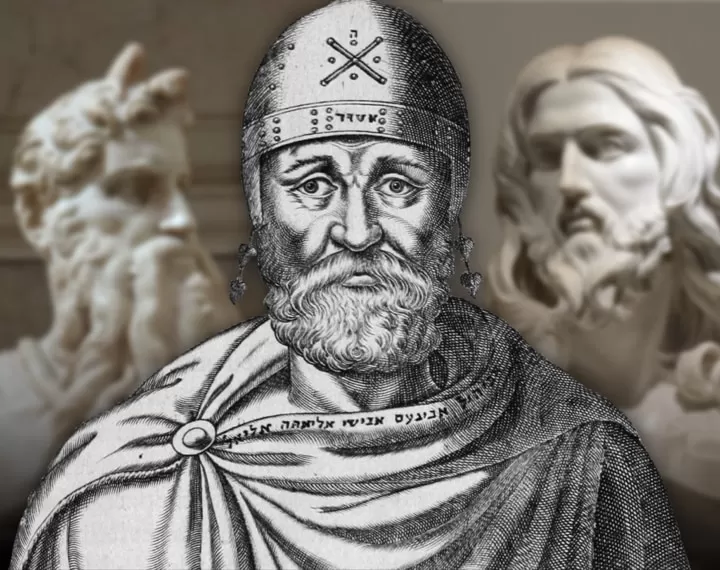
Philo’s Moses as christological paradigm

Comparisons between Moses and Jesus usually focus on the contrast between Law and grace, not on the persons. The Sermon on the Mount is Jesus’ radical revision of the Law given on Sinai. John says that the Law was through Moses, “grace and truth came through Jesus Christ” (Jn. 1:17). Jews who believe in Jesus are “freed from everything from which you could not be freed by the law of Moses” (Acts 13:39). The letter of the Law kills, Paul says, but the Spirit of the Lord Jesus gives life (2 Cor. 3:6, 17).

Read time: 8 minutes

Making Jesus small again

The narrative-historical method reduces the significance of Jesus, which creates an obvious problem for traditionalists. Perhaps “reduces” is asking for trouble. Let’s say that it refocuses our understanding of the biblical figure of Jesus, though the sharper perception comes at the cost—or benefit, depending on how you look at it—of a restricted depth of field. Here’s what I mean, roughly….

Read time: 8 minutes

The throne of Jesus and the throne of God

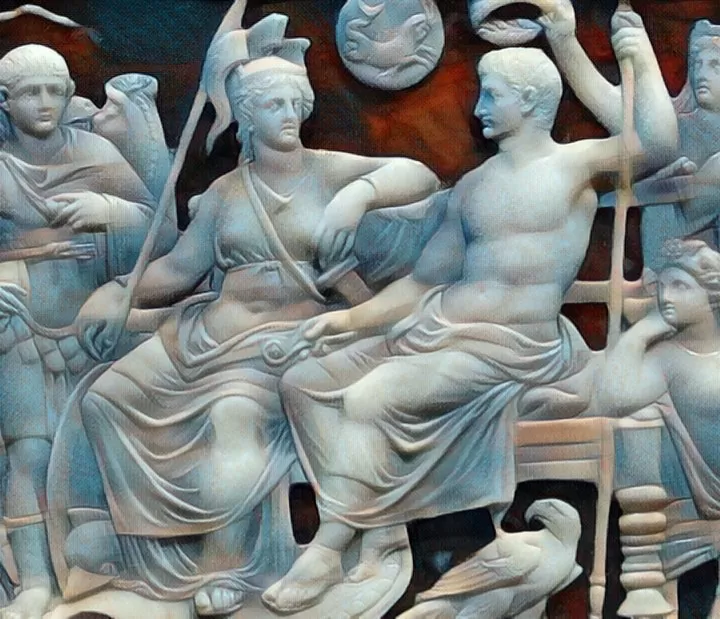
I happened to come across an article by Darrell Hannah called “The Throne of His Glory: The Divine Throne and Heavenly Mediators in Revelation and the Similitudes of Enoch.” Very interesting, I thought. A bit convoluted for a blog post, but very interesting. I won’t dwell too much on the Similitudes of Enoch part. The main question is: does Jesus sit on his own throne in heaven at the right hand of God or does he share God’s throne, and what difference, if any, does it make?

Read time: 12 minutes

Christendom, exile, and the kingdom of God

Alistair Begg says that the American church needs to get used to living in exile. It will become much smaller, may lose some legal protections, will face growing antagonism, and will find itself increasingly alienated from society. People may lose their jobs because of their faith, places of public worship may be closed, and so on….

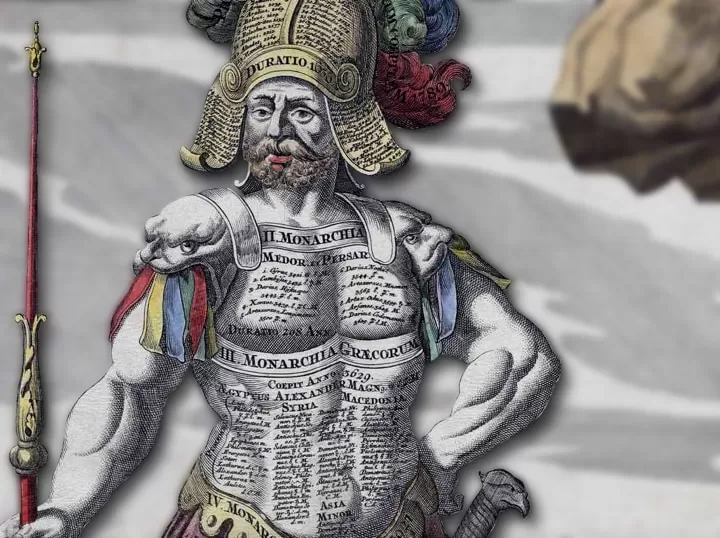
In order to adjust to living in such dramatically degraded conditions the church may draw inspiration not only from the marginalised circumstances of the New Testament communities but also from the book of Daniel.

Read time: 5 minutes

Answers to questions about hermeneutics, history, and hell

This is an attempt to answer an assortment of questions sent to me a few weeks back by someone who does not profess to be a theologian but who clearly gets my basic argument about reading the New Testament from the limiting perspective of Jesus and the early community of those who believed that he had been raised from the dead. I have abbreviated—and edited—some of the questions, but hopefully the point is clear enough.

Read time: 10 minutes