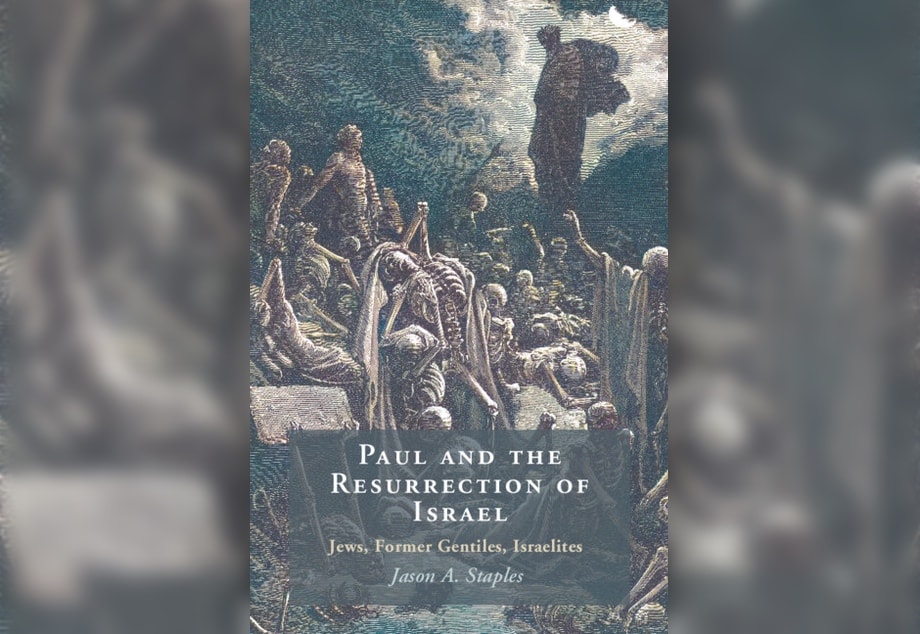
This is a rather technical examination of Jason Staples’ argument in Paul and the Resurrection of Israel: Jews, Former Gentiles, Israelites that when Paul speaks of Israel as “vessels of wrath,” he does not mean that the people are are the objects of God’s wrath; rather they are the instruments of God’s redemptive purposes. My view has been that Paul is saying that part of Israel really has become liable to destruction—much as Jesus foresaw destruction coming upon Jerusalem and the temple. But perhaps I’ve got it wrong.
Romans 1:19-2:29Why does good news need to be heard regarding the “power of God for salvation”? Why does God have to justify himself by ensuring that the righteous person lives because of faith or faithfulness?The reason is that “the wrath of God is revealed from heaven against all impiety and… ( | 6 comments)
Jesus tells a rather disturbing story about the judgment of his people at the end of the age of second temple Judaism. This is my very functional translation: ()
Romans 1:1-18
Paul, apostle of the Lord Jesus Christ (1:1-7)
Paul introduces himself to those in Rome who are “called to be saints” as a slave of Christ and an apostle, “set apart for the gospel of God.”
The “gospel” is the proclamation of good news, anticipated in the Jewish scriptures,… ( | 7 comments)
I take several chapters in my book In the Form of a God: The Pre-existence of the Exalted Christ in Paul to argue that in the first part of the Christ encomium in Philippians 2:6-11 the direction of travel is ontologically flat: not from heaven to earth but from celebrity to… ( | 3 comments)
Christians who think that it is right and good to maintain a form a patriarchy, at least in church and home, will often argue that by naming the woman Adam exercises or asserts an innate, creational authority over her that is not abrogated by salvation.
In search of a suitable helper for… ( | 2 comments)
John says that Isaiah saw the glory of Jesus (Jn. 12:41). Is this a reference back to the “glory” of God that Isaiah saw in the temple? Or is it something else? Well, I’m going to say that it was something else, not because I’m anti-trinitarian but because I don’t think that’s what John means at… ()
I have been working through Craig Keener’s Spirit Hermeneutics: Reading Scripture in Light of Pentecost (2016) to prepare some teaching materials on Pentecostal hermeneutics. It’s a fairly casual read, so far at least. I could really do with something a bit more technical. But it’s a good… ()
Recent comments