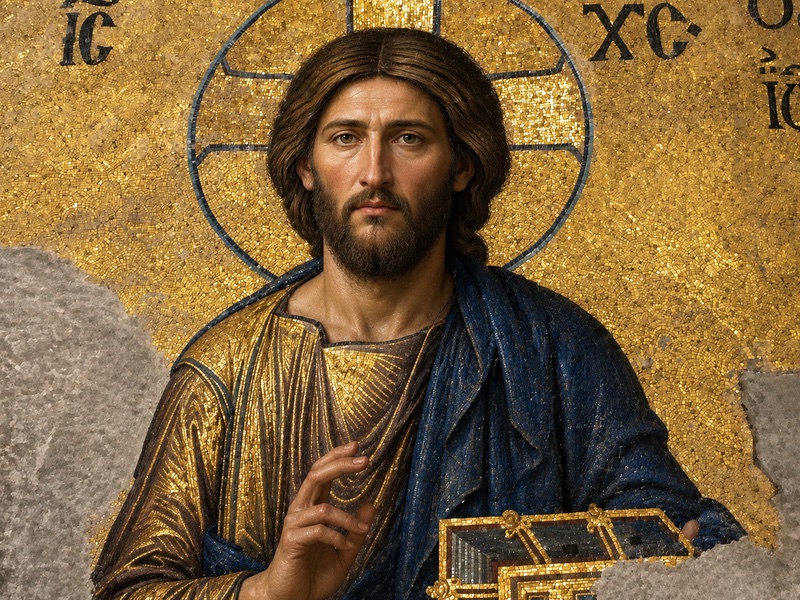
In a Substack post, Brian Zahnd looks at four key theological “entities” and warns of the “theological mischief” that happens when the “critical distinction” between them is not properly respected. The Church, the Bible, and the religion of Christianity are all good and important things, but not as good and important as Jesus. “The moment we try to nudge the Church or the Bible or Christianity toward equality with Christ we are headed down a theological path that leads to confusion and real-life trouble.”

My objection to this sort of analysis is two-fold. First, it relies on a flawed understanding of the categories if they are meant to be fundamentally biblical and not the product of later theological rationalisation. Secondly, it is an outdated analysis of “Christianity”: it deals with problems of the past, not of the future.

Read more...
In his 2016 NIGTC commentary on Romans, Richard Longenecker provides a summary of what he regards as the key themes that Paul “considered distinctive to his own proclamation of the Christian gospel” (1045-46). They strike me, for the most part, as being expressive of a Reformed outlook. I have… ( | 4 comments)
The way I see it, Paul’s letter to the Romans is like a stage with three vast backdrop cloths hanging one in front of the other. The largest cloth depicts the creational presuppositions of the letter: God is the creator of all things and cannot be worshipped in the form of created objects; Adam… ( | 1 comment)
Romans 14 is usually read as a new section dealing with disagreements within the community over such matters as diet and observance of holy days. There is, however, an immediate and decisive eschatological aspect to the discussion: Who are you to pass judgment on the servant of another? It is… ( | 2 comments)
In this article, the author discusses Paul’s teachings in Romans about the practical implications of the gospel for the believers in Rome. The author highlights the importance of unity and obedience, as well as the need to maintain good relations with the wider Greek-Roman culture. The author… ()
What is going on here? Is this a tolerable way for Christians to behave? Should we all be doing it? And before you ask, no, it has nothing to do with helping them to keep the fire going. The larger concern in this section of Romans is how the believers will react to persecution. At least, we have… ()
Paul’s letter to the Romans discusses the prophetic narrative that God has made Jesus Son of God through his resurrection and that he will eventually rule over the nations. The letter also mentions the wrath against the idolatrous Greeks and the shortcomings of God’s own people, the… ()
Romans 7:1-8:39The argument about the status of the Law of Moses in this critical period of eschatological crisis continues. Paul speaks to “those who know the Law,” but now he seems to be addressing Jewish believers, who “have died to the Law through the body of Christ” (7:4). ( | 4 comments)