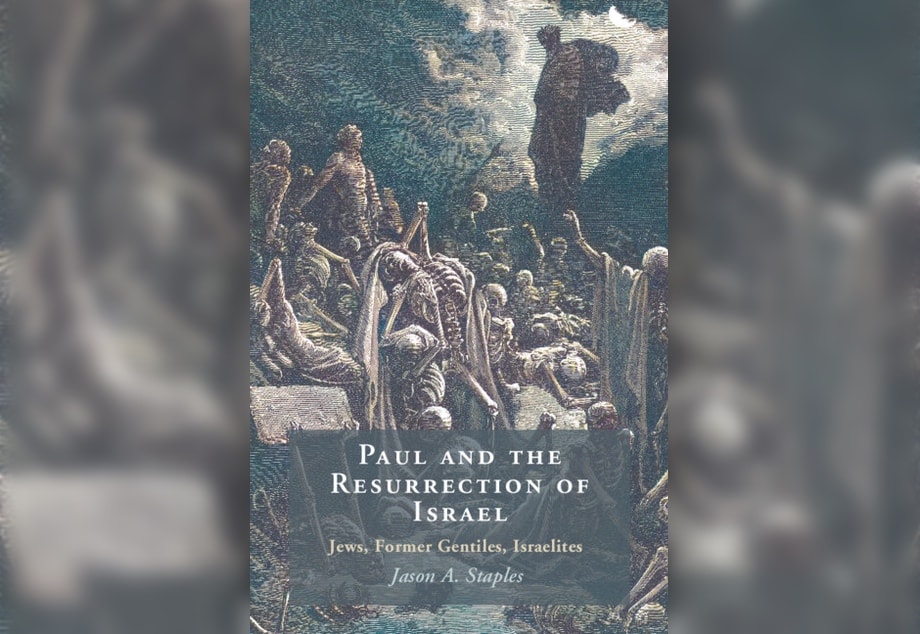
This is a rather technical examination of Jason Staples’ argument in Paul and the Resurrection of Israel: Jews, Former Gentiles, Israelites that when Paul speaks of Israel as “vessels of wrath,” he does not mean that the people are are the objects of God’s wrath; rather they are the instruments of God’s redemptive purposes. My view has been that Paul is saying that part of Israel really has become liable to destruction—much as Jesus foresaw destruction coming upon Jerusalem and the temple. But perhaps I’ve got it wrong.
Earlier this week I had a stimulating online conversation with my friend Michael Cooper. Michael is a missiologist, and back in the day, when he used to hang out with Communitas, we spent long hours talking about scripture, narrative, history, and mission in the post-Christian western context. So… ( | 2 comments)
I read Roger Olson’s blog from time to time. He has recently written a couple of posts asking, “What is the Essence of Christianity?” We need to address these simple but fundamental questions from time to time.
I know, it’s been a while, what with Covid and a major writing project to complete….… ( | 9 comments)
I did this video podcast interview with Cliff Sekowe a few months back. Cliff is an amiable South African pastor and theologian who is keen to get scholars talking sensibly about some the intellectual challenges facing contemporary Christian faith. He had heard the podcast I did with Pete Enns and… ()
This really is a bit of a puzzle. In Matthew’s Gospel Jesus says concerning the hour and day of God’s judgment of Israel and the concomitant vindication of the Son of Man that it will be as in the days of Noah. In the midst of life catastrophe will come (Matt. 24:36-39). At the parousia of… ( | 2 comments)
The early apostolic testimony was that Jesus was “raised on the third day in accordance with the Scriptures” (1 Cor. 15:3). So the standard belief has been that the resurrection of the Messiah was prophesied in the Old Testament—somewhere, it’s never quite clear where, probably in the prophets.… ()
Thom Stark’s book The Human Faces of God: What Scripture Reveals When it Gets God Wrong is an attack on the doctrine of inerrancy—or perhaps better, an attempt to reframe the problem of biblical errancy. In chapter 8, which is the only chapter I’ve read so far, he argues that Jesus… ( | 9 comments)
I have addressed the troubling longer term historical implications of my reading of the New Testament in a number of posts, some of which are listed below. But the question has come up again, so here’s another go at outlining a response to the charge that Constantine and Christendom were a very… ( | 15 comments)
Recent comments