Love your neighbour and other knee-jerk reactions

The two most important commandments, according to Jesus, are to “love the Lord your God with all your heart and with all your soul and with all your mind” and to “love your neighbour as yourself” (Matt. 22:37-40). Add to this his teaching about love for enemies, while perhaps quietly sidelining the commandment to love God, and we have the defining Christian ethic for the modern era. How should we respond to the refugee, the migrant, the asylum seeker, the foreigner, the Muslim, the Jew in our midst? We should love our neighbours, we should love our enemies.

Read time: 10 minutes

The image of God and the image of Christ: less is more

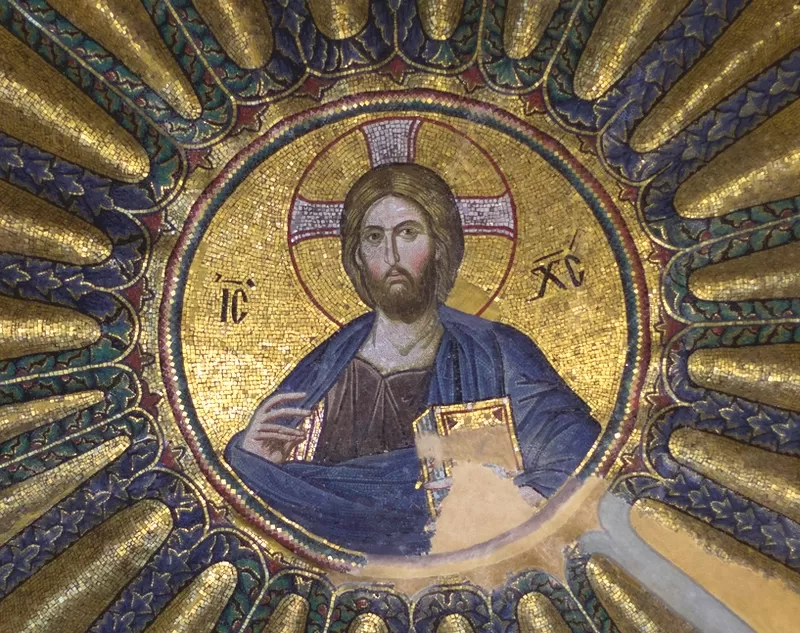
The standard argument about the “image of God” is that 1) humanity was created, male and female, “in the image, according to the likeness” of God; 2) this “image” somehow encapsulates the essential nature and dignity of humanity; 3) the image was broken or lost in the “fall”; 4) it was reinstated in the perfect humanity of Christ; and 5) believers are being progressively conformed to the reinstated image of God in a new creation.

Read time: 11 minutes

A revised missional theology

We are probably stuck with the distinction between “church” and “mission.” I attend a church in Westbourne Grove. I work informally with a mission organisation. But in biblical terms there is something odd about our obsession with mission. The word occurs only four times in the ESV, in a mostly trivial sense. The one New Testament example is 2 Corinthians 11:12, where Paul speaks of the “boasted mission” of his opponents, but there is no word for “mission” in the Greek; the “false apostles” merely “boast.”

Read time: 12 minutes

Rupert Shortt’s The Eclipse of Christianity. But we are not in Oz any more...

What we call “Christianity” is the religion of the formerly Christian West. It survives residually in both the historic and modern churches, and globally as a result of both historic and modern missionary expansion. It is defined by diverse, overlapping systems of belief and practice, which generally speaking determine how the scriptures are to be read.

Read time: 9 minutes

What is Paul’s letter to the Philippians all about?

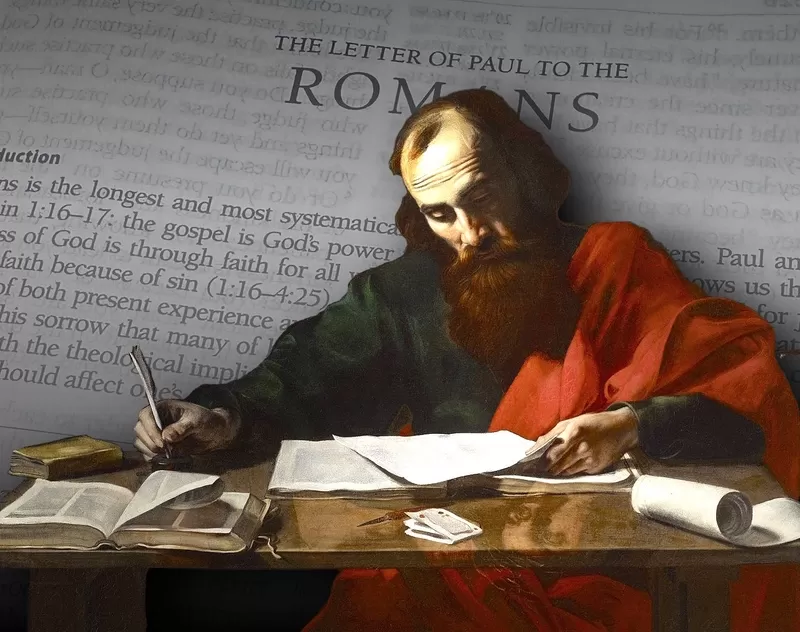
We will be doing some sessions on Philippians at the Communitas staff conference in Malaga next week. Here, by way of preparation, is a quick explanatory synopsis of the letter as a historical document, by which I mean that it emphasises the restricted outlook and experience of Paul and of the community of believers in Philippi. It also incorporates the reading of the Christ encomium in Philippians 2:6-11 put forward in my book In the Form of a God: The Pre-existence of the Exalted Christ in Paul.

Read time: 11 minutes

Nah, I still think that Babylon the great is Rome

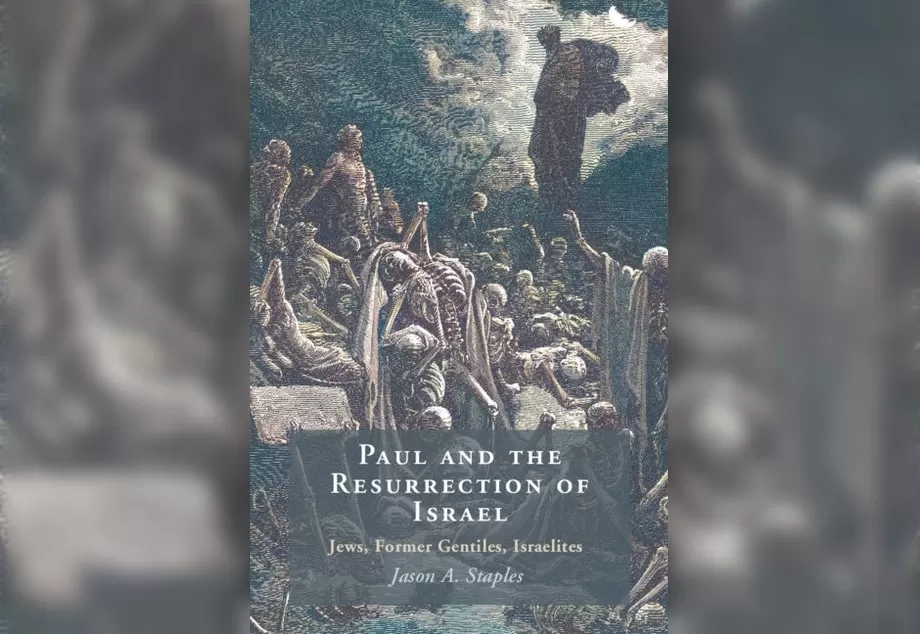
I have long held the view that Babylon the great in Revelation 17-18 is the city of Rome as the capital of a decadent imperial power. Jason Staples used to think the same, but in a recent Substack post he explains why he has adopted the minority position that the lurid and dissolute woman depicted in this vision is Jerusalem. He starts out by recognising the force of the leading arguments in favour of the identification with Rome, then he gives the reasons for changing his mind, summarised in bold text here. I’ve gone about this in a bit of rush, but it has thrown up some interesting issues.

Read time: 11 minutes